Rock Wall Laying Eggs: A Rare Natural Phenomenon Indexed
Original: Every 30 Years, People From All Over The World Come To See Rock Wall Laying Eggs!
Discover the mysterious and rare event of the rock wall laying eggs, occurring only every 30 years. Learn why this natural wonder captivates audiences worldw...

watchJojo
How did this video make you feel?
Rock Wall Laying Eggs: A Rare Natural Phenomenon
The incredible phenomenon of the rock wall laying eggs captivates audiences globally. This rare natural event draws spectators from all corners of the world. It is a spectacle of nature's mysterious cycles.
The Mystery of the Rock Wall Laying Eggs Unveiled
Every three decades, a unique geological event unfolds. What appears to be a rock wall undergoes a fascinating transformation. It seemingly 'lays eggs,' captivating all who witness it.
This phenomenon is not merely a local curiosity. It has become a pilgrimage for naturalists, scientists, and curious travelers alike. The anticipation builds for years leading up to the event. Consequently, the surrounding areas buzz with excitement.
The visual spectacle is truly astonishing. Large, spherical formations emerge from the rock face. They resemble giant eggs. Moreover, their consistent appearance every 30 years adds to their mystique.
Behind This Geological Marvel
The science behind the rock wall laying eggs is both complex and fascinating. Geologists have long studied this periodic occurrence. They seek to understand its precise mechanisms.
Understanding the Formation Process
These 'eggs' are not biological in nature. Instead, they are geological concretions. These formations develop over vast periods within sedimentary rock layers. Mineral-rich water seeps through the rock. It deposits minerals around a central core. This process, known as concretion, creates the spherical shapes. Furthermore, the specific geological conditions in this location are ideal for such formations.
The periodic 'laying' is linked to erosion and weathering cycles. As the surrounding softer rock erodes, the harder concretions become exposed. This exposure happens in predictable cycles. Therefore, it creates the illusion of the rock wall actively 'birthing' these spherical stones.
The Global Fascination with Rock Wall Phenomena
The global interest in the rock wall laying eggs stems from its rarity. Such clear and consistent geological cycles are uncommon. Moreover, the visual impact is undeniably powerful. People are drawn to natural wonders that defy easy explanation. This event perfectly fits that description. It serves as a powerful reminder of Earth's dynamic and mysterious processes.
Key Highlights
- Rare Event: Occurs only once every 30 years, making it a highly anticipated spectacle.
- Global Attention: Draws visitors and scientists from around the globe.
- Geological Wonders: The 'eggs' are actually natural concretions formed over millennia.
- Erosion Cycles: Their periodic emergence is due to specific weathering patterns.
- Mysterious Allure: Combines natural beauty with scientific intrigue.
What Fans Are Saying
Enthusiasts describe the experience as awe-inspiring and unforgettable. Many express wonder at nature's ability to create such perfect, spherical forms. They often speak of feeling a deep connection to geological time. Furthermore, the shared experience with fellow spectators creates a unique atmosphere of collective amazement. The consensus is that witnessing this event is a once-in-a-lifetime opportunity.
Conclusion
The phenomenon of the rock wall laying eggs remains one of nature's most captivating mysteries. Its rarity and visual impact ensure its place as a bucket-list item for many. This event truly showcases the incredible power and artistry of our planet. Do not miss the chance to witness this extraordinary geological spectacle. Watch the clip to experience it yourself and discover more about this natural wonder.
Frequently Asked Questions
What causes the rock wall to 'lay eggs'?
The 'eggs' are geological concretions, formed by minerals accumulating in sedimentary rock. They become exposed through natural erosion cycles.
How often does the rock wall laying eggs event occur?
This remarkable event occurs approximately every 30 years, making it a rare and much-anticipated natural phenomenon.
Related: trending viral videos · Watch JoJo's main channel.

Recommended for you
Because you're watching · discovery
 3:17
ESPAÑOL Workers Were Excavating The Ruins Of 9 11
Watchjojo Español
8 views • 3 months ago
 3:29
The Hidden Science of Healing: Essential Oils and the Brain 🧠
WatchJojo Health
79 views • 7 months ago
 3:57
Why Our Brains Are Smaller Today Than Our Ancestors From
WatchJojo Health
97 views • 7 months ago
 2:09
Scientists Recently Discovered Ants Can Sniff Out Cancer
watchJojo
802 views • 3 years ago
 3:04
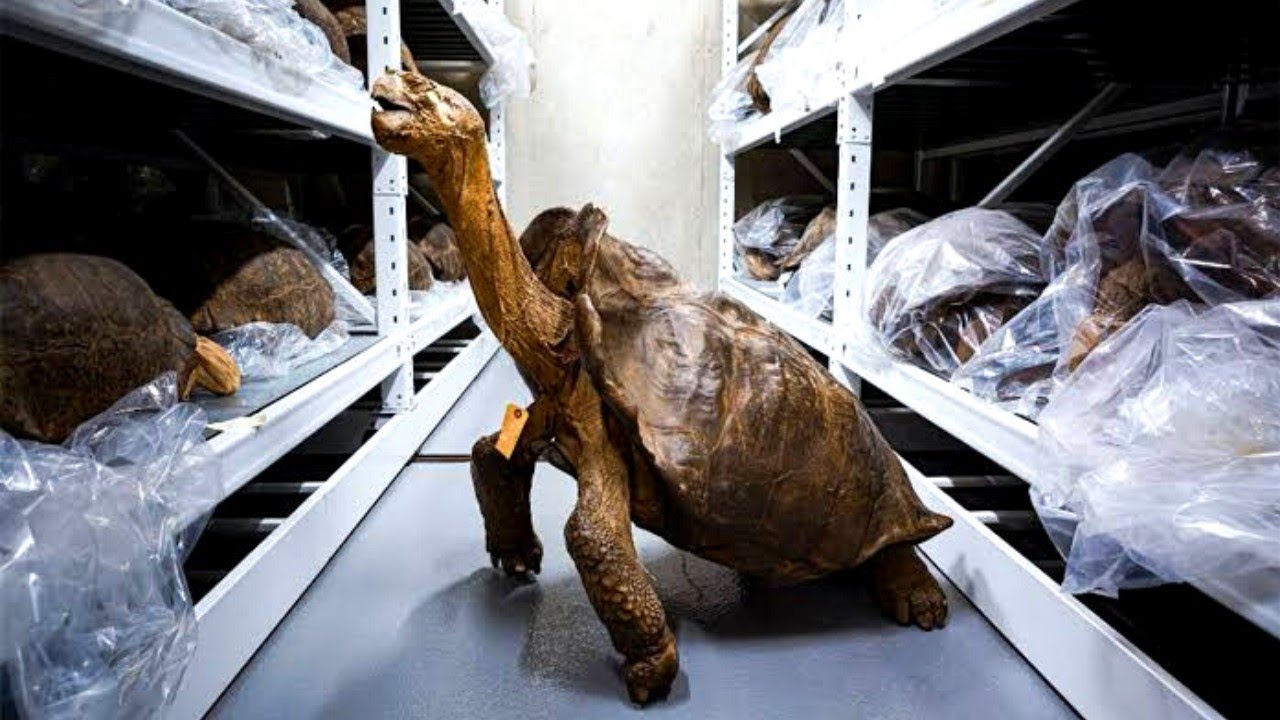
Scientists Discover Rare Galápagos Tortoise Thought To Be Extinct Since 1906
Jojo Discovery
840 views • 3 years ago
 4:45
‘A World First’ New Species Of Prehistoric Crocodile Discovered With A Dinosaur In Its Stomach
Jojo Discovery
611 views • 3 years ago
BROWSE BY YEAR
New, classic, and most loved
More like this
 4:42
The gold and amethyst ring likely belonged to someone of great wealth and may have been a fami
Jojo Discovery
132 views • 4 years ago
 4:01
A Norwegian Woman Bought Some Cheap Costume Jewelry Online — And Found A Gold Viking Ring Mixe
Jojo Discovery
172 views • 4 years ago
 2:51
Dinosaur Brain Unearthed For The First Time Ever.
Jojo Discovery
144 views • 4 years ago
 4:15
Nodosaur Dinosaur ‘Mummy’ Unveiled With Skin And Guts Intac.
Jojo Discovery
1K views • 4 years ago
 3:50
Archaeologists Believe They’ve Discovered The Tomb Of Santa Claus
Jojo Discovery
1.1K views • 4 years ago
 5:04
This 2,000-Year-Old Chinese Woman Named Lady Dai Is One Of The Most Well-Preserved Mummies In The Wo
Jojo Discovery
8.1K views • 4 years ago
 5:39
Scientists Just Determined That A Massive Ice Wall Blocked The Bering Land Bridge, Likely Forcing Th
Jojo Discovery
2.3K views • 4 years ago
 6:20
Meet Titanoboa, The Prehistoric Snake Of Your Nightmares
Jojo Discovery
394 views • 4 years ago
 5:03
These 890 Million Year Old ‘Spongelike’ Fossils Could Be The Oldest Animal Fossils Ever Discovered
Jojo Discovery
609 views • 4 years ago