Ice Age Cave Bear Discovery Shocks Scientists Indexed
Original: Reindeer Herders Stumble Upon Ice Age Cave Bear With All Its Organs Intact In Siberia
A perfectly preserved Ice Age cave bear was found in Siberia, stunning scientists with its intact organs. Discover this incredible find now!

Jojo Discovery
How did this video make you feel?
Ice Age Cave Bear Discovery Shocks Scientists
A truly astonishing Ice Age cave bear discovery has recently captivated the scientific community and the world. Reindeer herders in Siberia stumbled upon a remarkably preserved specimen, offering an unprecedented glimpse into prehistoric life. This find is not just significant; it's groundbreaking, promising to rewrite parts of our understanding of ancient ecosystems.
The Siberian Ice Age Cave Bear Story
The remote reaches of Siberia, particularly its permafrost, have long been a source of incredible paleontological finds. This latest discovery continues that tradition, but with an unparalleled level of preservation. The cave bear, estimated to be around 39,500 years old, was found with its organs entirely intact. This level of preservation is exceedingly rare, making it a scientific goldmine.
The discovery took place on Bolshoy Lyakhovsky Island, part of the New Siberian archipelago. Reindeer herders, navigating the harsh Siberian landscape, made the initial incredible observation. Their accidental stumble led to what is now considered one of the most important Ice Age finds in recent memory. Furthermore, the sheer age and condition of the specimen are what truly set it apart from previous discoveries.
Unveiling Prehistoric Secrets
The exceptional state of this ancient creature provides scientists with a unique opportunity. Unlike skeletal remains, a mummified specimen with soft tissues offers a wealth of biological data. This includes insights into diet, disease, and even the genetic makeup of these long-extinct animals. Consequently, researchers can now piece together a more complete picture of the Ice Age.
What Makes This Ice Age Cave Bear So Unique?
The primary factor making this Ice Age cave bear discovery so extraordinary is its complete mummification. Most prehistoric finds consist of bones or fragmented remains. However, this bear's soft tissues, fur, and internal organs are still present. This means scientists can study its anatomy in detail, analyze its last meal, and even potentially extract viable DNA. As a result, our understanding of these ancient megafauna will expand significantly.
Scientific Impact and Future Research
The scientific community is buzzing with excitement over this find. Researchers plan extensive studies, including advanced imaging, genetic analysis, and pathological examinations. These investigations aim to uncover more about the bear's life, its species' adaptations to the Ice Age environment, and the causes of its death. Moreover, the data collected could shed light on broader climate patterns and ecosystem dynamics from tens of thousands of years ago.
Key Highlights
- Unprecedented Preservation: The cave bear was found with all its soft tissues and organs perfectly intact.
- Significant Age: Estimated to be approximately 39,500 years old, dating back to the last Ice Age.
- Siberian Discovery: Found by reindeer herders on Bolshoy Lyakhovsky Island.
- Scientific Goldmine: Provides invaluable data for genetic, anatomical, and environmental research.
- Rare Find: Such complete mummified specimens are extremely rare, making this a pivotal discovery.
What Fans Are Saying
The news of the ancient bear has resonated widely, sparking awe and wonder among the public. Many express amazement at nature's ability to preserve such a creature for millennia. There's a shared sense of excitement about the scientific revelations that are sure to follow. People are fascinated by the thought of an animal from such a distant past being so well-preserved.
“It's truly mind-boggling to think something so old can look so fresh. Science is amazing!”
Conclusion
The discovery of this remarkably preserved Ice Age cave bear is more than just a scientific curiosity; it's a window into a bygone era. This find promises to yield critical insights into prehistoric life, climate, and evolution. Ultimately, it reminds us of the incredible secrets still hidden beneath the Earth's surface, waiting to be uncovered. Engage with this incredible story and discover the mysteries of the past.
Frequently Asked Questions
How old is the Siberian cave bear discovery?
The perfectly preserved cave bear discovered in Siberia is estimated to be around 39,500 years old, dating back to the Ice Age.
Where was the Ice Age cave bear found?
The mummified Ice Age cave bear was found by reindeer herders on Bolshoy Lyakhovsky Island, located in the New Siberian archipelago.
Explore related topics

Recommended for you
Because you're watching
 5:17
5:17Workers Found These Creatures Frozen In The Siberian Ice. Now Scientists Are Doing The Incredible
watchJojo
65.6K views • 8 years ago
 4:05
4:0539,500-Year-Old Bear “Completely preserved” in Permafrost
watchJojo
8.6K views • 5 years ago
 5:14
5:14‘Ancestor Of All Animals’ Discovered In 555 Million Year Old Australian Fossils
Jojo Discovery
395 views • 5 years ago
 4:38
4:38Paleontologists Just Found The Remains Of A 36 Million Year Old ‘Sea Monster’ In The Peruvian Desert
Jojo Discovery
253 views • 4 years ago
 3:49
3:49Fossilised Remains of 90 million year old Rainforest Found Under Antarctic Ice
Jojo Discovery
797 views • 5 years ago
 3:40
3:4028,000 Year Old Woolly Mammoth Cells Show Biological Signs Of Life
Jojo Discovery
2.4K views • 5 years ago
BROWSE BY YEAR
New, classic, and most loved
More like this
 4:55
4:55When Scientists Needed To Move This Amazing Baby Mammoth, They Did It In The Most Ingenious Way
watchJojo
16.6K views • 8 years ago
 3:47
3:47Family Hears Strange Loud Noises, Then They See A Giant Bear Hiding Under Their Hous
watchJojo
8.5K views • 6 years ago
 3:41
3:41Remains Of A Gigantic And Mysterious Creature Found Buried Under A Siberian Beach
watchJojo
177.8K views • 8 years ago
 3:54
3:54Liquid Blood Extracted From a 42,000 Years Old Foal Buried In Ice
watchJojo
4K views • 6 years ago
 4:49
4:49These 8,000 Year Old Human Remains Found In Portugal Are The Oldest Mummies Ever Discovered
Jojo Discovery
1.2K views • 4 years ago
 6:28
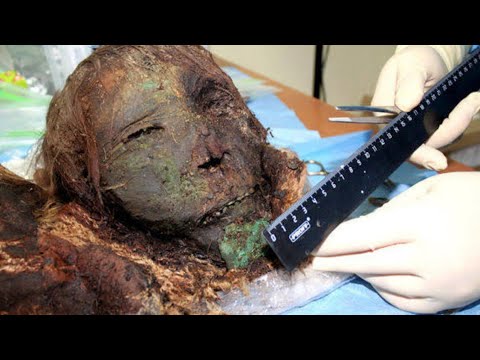
6:28This Mysterious Child Warrior Was Uncovered in Sub Arctic Russia, And Scientists Are Stunned
watchJojo
26.6K views • 8 years ago
 3:42
3:42Englishman Unveils Ichthyosaurus Fossil His Christian Ancestors Kept Buried In Their Yard
Jojo Discovery
735 views • 5 years ago
 6:35
6:3576 Million Year Old Skeleton Has Been Found In Utah, And It s A Truly Unprecedented Discover
watchJojo
146.5K views • 8 years ago
 4:11
4:11Ancient Amazon Cliff Art Shows Humans Meeting Giant Ice Age Creatures
Jojo Discovery
1.3K views • 5 years ago