Ovarian Cancer Signs: What Every Woman Should Know Indexed
Original: Key Signs of Ovarian Cancer Every Woman Needs to Know
Understand the key ovarian cancer signs and symptoms every woman needs to recognize for early detection. Discover more on this vital health topic.

WatchJojo Health
How did this video make you feel?
Ovarian Cancer Signs: What Every Woman Should Know
Understanding ovarian cancer signs is crucial for every woman's health. Early detection significantly improves outcomes, making awareness paramount. This vital information can empower you to take proactive steps for your well-being. Moreover, recognizing these indicators could save lives.
Understanding Ovarian Cancer Signs and Symptoms
Ovarian cancer often presents with subtle symptoms, making it challenging to diagnose early. These signs can be easily mistaken for less serious conditions, such as digestive issues or menstrual discomfort. Therefore, it's essential to be vigilant and aware of persistent changes in your body. Furthermore, understanding the nuances of these symptoms is key to timely intervention.
Many women experience non-specific symptoms initially. These might include bloating, pelvic or abdominal pain, and difficulty eating or feeling full quickly. Consequently, these symptoms are often dismissed until the cancer has progressed. Recognizing a pattern or persistence of these symptoms is a critical step. Additionally, family history can play a significant role in risk assessment.
Empowering Yourself: Recognizing Early Indicators
Empowering yourself with knowledge about ovarian cancer signs can lead to earlier diagnosis. This section delves into the specific symptoms and why they are often overlooked. It's about being attuned to your body and noticing when something isn't quite right. Furthermore, regular check-ups contribute to overall health monitoring.
Subtle Ovarian Cancer Signs to Watch For
The early indicators of ovarian cancer signs are often vague. Bloating that doesn't go away, persistent pelvic or abdominal pain, and changes in bowel or bladder habits are common. For instance, you might experience increased urinary urgency or frequency. Additionally, feeling full quickly after eating small amounts can be a warning sign. It's not about a single symptom, but rather a combination or persistence of several. Read more about health awareness on our blog.
When to Seek Medical Advice
If you experience any of these symptoms persistently for several weeks, it's time to consult a doctor. Do not dismiss them as normal aging or stress. Instead, advocate for yourself and discuss your concerns openly. A thorough medical evaluation can provide clarity and peace of mind. Moreover, early consultation can lead to better treatment options. Consequently, understanding these ovarian cancer signs is a critical first step.
Key Highlights
- Persistent Bloating: Abdominal swelling that doesn't resolve.
- Pelvic/Abdominal Pain: Discomfort or pressure in the lower abdomen or pelvis.
- Difficulty Eating/Feeling Full: Experiencing satiety quickly, even after small meals.
- Urinary Changes: Increased frequency or urgency of urination.
- Bowel Habit Changes: New or worsening constipation or diarrhea.
- Fatigue: Persistent and unexplained tiredness.
What Fans Are Saying
The discussion around ovarian cancer signs resonates deeply with many. Viewers frequently express gratitude for such informative content, highlighting the importance of health education. Many share their own experiences or those of loved ones, emphasizing how easily symptoms can be misinterpreted. There's a strong sentiment that awareness is the first line of defense. People are eager to learn more and spread this crucial information within their communities.
"This video is so important. We need more awareness about these subtle signs."
Conclusion
Recognizing ovarian cancer signs is a powerful tool in safeguarding your health. By staying informed and attentive to your body's signals, you can contribute to earlier diagnosis and potentially better outcomes. Remember, your health is your most valuable asset. We encourage you to watch the full clip for a comprehensive overview and share this vital information with the women in your life. Visit our homepage for more health insights and other engaging content.
Frequently Asked Questions
What are the most common early ovarian cancer signs?
The most common early signs include persistent bloating, pelvic or abdominal pain, difficulty eating, and urinary changes. These symptoms are often vague but become concerning when persistent.
How often should I get screened for ovarian cancer?
There is currently no routine screening test recommended for ovarian cancer for women at average risk. However, discussing your risk factors and any concerning symptoms with your doctor is always advisable.

Recommended for you
Because you're watching · news story
 3:17
3:17Early Warning Signs Of Cancer Most People Miss
WatchJojo Health
380 views • 7 years ago
 9:45
9:45Signs that Cancer is Growing In Your Body
WatchJojo Health
4.5K views • 8 years ago
 3:49
3:49Post-Menopausal Spotting: When It’s More Than Just Menopause.
WatchJojo Health
12 views • 7 months ago
 3:53
3:53Stroke Warning Signs Women Should Know Before It’s Too Late
WatchJojo Health
7.3K views • 8 years ago
 4:08
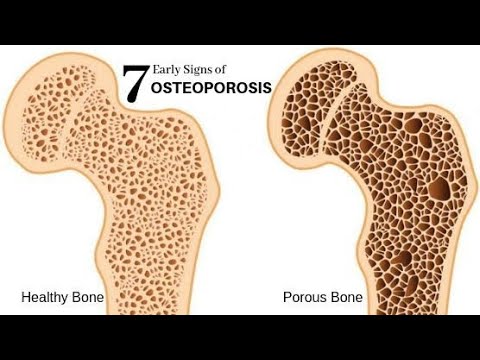
4:08Warning Signs That you May Have Osteoporosis
WatchJojo Health
791 views • 7 years ago
 2:34
2:34Early Warning Signs Of Cancer Most People Ignore
WatchJojo Health
4.5K views • 8 years ago
BROWSE BY YEAR
New, classic, and most loved
More like this
 3:27
3:27Here s All You Need To Know About Pancreatic Cancer And Why It s Deadly
WatchJojo Health
14 views • 7 months ago
 1:55
1:55The New Mexico Cellulitis Patch: How This Innovative Skin Treatment Works and Destroys Bacteria
WatchJojo Health
4 views • 4 months ago
 1:05
1:05teen drug arrest consequences
FantasiaTopia
1 views • 6 months ago
 1:02
1:02death threats post exorcist release
FantasiaTopia
657 views • 6 months ago
 5:08
5:08The Shinobi World Returns! Adult Boruto & Naruto Specials 2026 Revealed
FantasiaTopia
21 views • 7 months ago
 21:35
21:35From Oscar-Nominated Star to Isolation: The Rise and Fall of Linda Blair
FantasiaTopia
101 views • 7 months ago
 2:50
2:50Angry Mother Fights Back Against School After Her Daughter Is Sent Home for Wearing Tight Pants
watchJojo
1K views • 1 year ago
 3:34
3:34XRP’s Big Leap: Can Elon Musk and Ripple Push it to $1510 by April 15th?
FantasiaTopia
104 views • 1 year ago
 4:04
4:04A New Hope for Alopecia Sufferers: No More Painful Injections!
WatchJojo Health
63 views • 2 years ago