Fan Sleeping: Why Some Need a Fan for Sleep Indexed
Original: Sleep Experts Reveal Why Some People Find It Difficult To Sleep Without A Fan_ Even On Cold Nights
Discover why some individuals find it difficult to sleep without a fan, even on cold nights. Uncover the science behind fan sleeping. Watch now!

WatchJojo Health
How did this video make you feel?
Fan Sleeping: Why Some Need a Fan for Sleep
Many people find it incredibly difficult to sleep without a fan, even when temperatures drop. This phenomenon, often referred to as fan sleeping, puzzles many. However, sleep experts have shed light on the reasons behind this common habit. Understanding these factors can help explain why a fan becomes an essential part of some individuals' nightly routine.
Understanding the Fan Sleeping Phenomenon
The need for a fan during sleep extends beyond just cooling. For many, it's a deeply ingrained habit that impacts sleep quality. Moreover, the absence of a fan can lead to restless nights and difficulty falling asleep. This isn't merely a preference; it's often a physiological and psychological requirement for optimal rest.
Sleep experts point to several key elements contributing to this reliance. Furthermore, these elements often work in conjunction, creating a complex interplay. The consistent presence of a fan offers more than just temperature regulation. Consequently, breaking this habit can prove challenging for those accustomed to it.
Interestingly, this behavior transcends seasonal changes. Even on cold nights, the fan remains a crucial component of their sleep environment. This suggests deeper mechanisms are at play than simple thermal comfort. Therefore, exploring these underlying reasons is essential to comprehending fan sleeping fully.
The Science Behind Nighttime Comfort
White Noise and Fan Sleeping
One primary reason for fan sleeping is the consistent white noise it produces. This steady hum masks other disruptive sounds, such as traffic, neighbors, or even internal noises like tinnitus. As a result, the brain receives fewer sudden auditory stimuli, allowing for a more continuous sleep cycle. The rhythmic sound creates a soothing environment, signaling to the brain that it's time to rest. Many find this auditory blanket indispensable for achieving deep sleep.
Psychological Comfort and Routine
Beyond white noise, the fan also provides a sense of psychological comfort. It becomes a familiar part of the bedtime routine, signaling the transition from wakefulness to sleep. This ritualistic aspect is powerful. Humans thrive on routine, and the fan's presence can be a strong cue for relaxation. Moreover, the gentle breeze can offer a subtle tactile sensation, further enhancing the feeling of security and calm. Consequently, removing this element can disrupt the established sleep pattern.
Key Highlights
- White Noise Effect: Fans create consistent background noise, masking disruptive sounds and promoting uninterrupted sleep.
- Temperature Regulation: Even on cold nights, the gentle air circulation can prevent stuffiness and maintain a comfortable microclimate.
- Psychological Cue: The fan becomes a powerful part of the bedtime routine, signaling to the brain that it's time to rest.
- Sensory Comfort: The subtle breeze offers a tactile sensation that many find soothing and conducive to sleep.
- Habit Formation: Over time, the reliance on a fan for sleep can become a deeply ingrained habit, making it difficult to sleep without it.
What Fans Are Saying
Many individuals report a profound dependency on their fans for a good night's sleep. They often describe feeling restless and unable to drift off without the familiar hum and breeze. Furthermore, some mention that the fan helps them feel more secure in their sleeping environment. The consensus among these sleepers is that the fan is not just a luxury but a necessity for achieving quality rest.
"I simply can't sleep without my fan. It's not about being hot; it's the sound and the feeling of the air. It's like a lullaby."
Conclusion
Ultimately, the reasons behind fan sleeping are multifaceted, encompassing both physiological and psychological factors. From providing essential white noise to offering a sense of routine and comfort, a fan plays a crucial role for many sleepers. Understanding these influences can help individuals optimize their sleep environment. Therefore, if you struggle with sleep, consider the subtle benefits a fan might offer. Explore the science and discover why so many can't imagine a night without their trusty fan.
Frequently Asked Questions
Why do I need a fan to sleep even when it's cold?
Many people need a fan to sleep in cold weather due to its white noise effect, which masks other sounds, and the psychological comfort it provides as part of their bedtime routine, not just for cooling.
Can fan sleeping be bad for my health?
While generally safe, prolonged exposure to direct fan air can lead to dry skin, irritated sinuses, or aggravate allergies if the fan circulates dust. However, for most, the benefits to sleep quality outweigh these minor concerns.
Related: trending viral videos · more viral short clips · Watch JoJo's main channel.

Recommended for you
Because you're watching · news story
 3:35
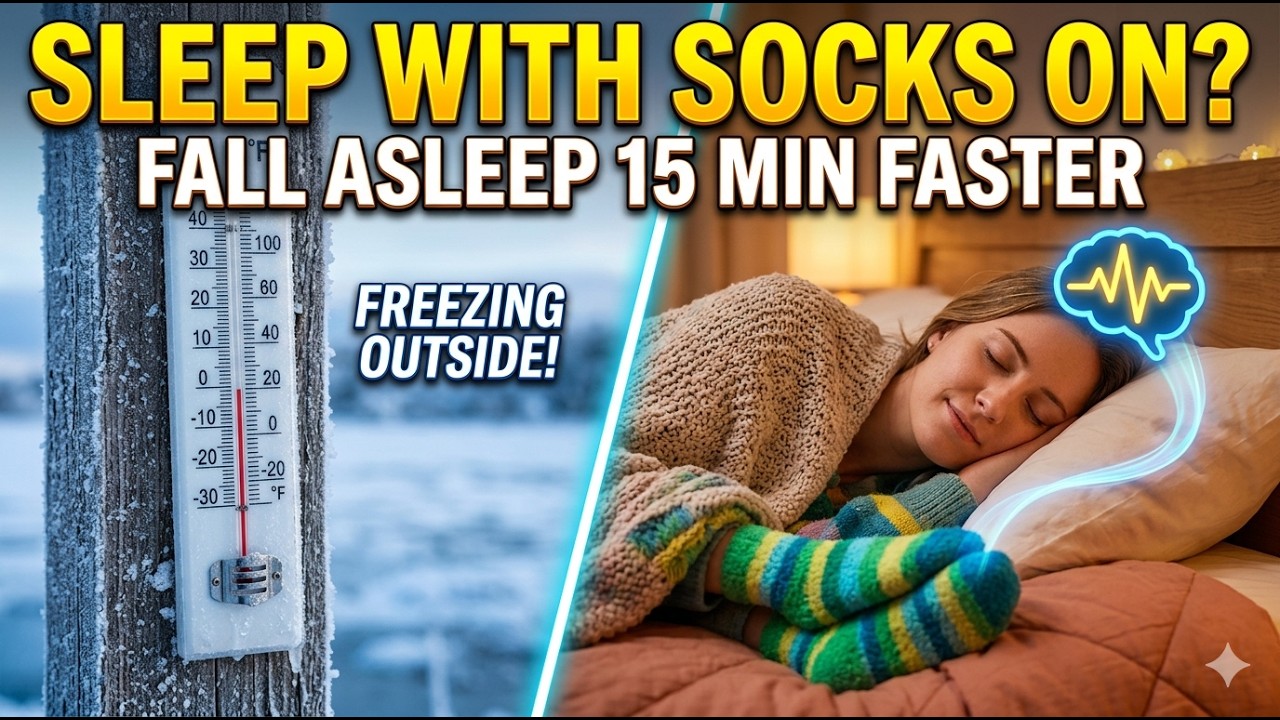
3:35According To Science, This Is What Happens To Your Body If You Sleep With Socks On
WatchJojo Health
21.1K views • 6 years ago
 7:58
7:58How Much Deep, Light, and REM Sleep Do You Need
WatchJojo Health
522 views • 4 years ago
 2:31
2:31Scientists Are Now Claiming That Taking A Hot Bath Is More Beneficial Than Exercise
WatchJojo Health
9.4K views • 6 years ago
 3:28
3:28Honey and the HYMN Cycle: take this to fall asleep, stay asleep and to never wake up tired again
WatchJojo Health
105 views • 6 years ago
 3:36
3:3610 Health Benefits Of Sleeping In A Cold Room You Should Know
watchJojo
6.9K views • 8 years ago
 1:55
1:55The New Mexico Cellulitis Patch: How This Innovative Skin Treatment Works and Destroys Bacteria
WatchJojo Health
4 views • 4 months ago
BROWSE BY YEAR
New, classic, and most loved
More like this
 1:05
1:05teen drug arrest consequences
FantasiaTopia
1 views • 6 months ago
 1:02
1:02death threats post exorcist release
FantasiaTopia
657 views • 6 months ago
 5:08
5:08The Shinobi World Returns! Adult Boruto & Naruto Specials 2026 Revealed
FantasiaTopia
21 views • 7 months ago
 3:27
3:27Here s All You Need To Know About Pancreatic Cancer And Why It s Deadly
WatchJojo Health
14 views • 7 months ago
 3:49
3:49Post-Menopausal Spotting: When It’s More Than Just Menopause.
WatchJojo Health
12 views • 7 months ago
 21:35
21:35From Oscar-Nominated Star to Isolation: The Rise and Fall of Linda Blair
FantasiaTopia
101 views • 7 months ago
 2:50
2:50Angry Mother Fights Back Against School After Her Daughter Is Sent Home for Wearing Tight Pants
watchJojo
1K views • 1 year ago
 3:34
3:34XRP’s Big Leap: Can Elon Musk and Ripple Push it to $1510 by April 15th?
FantasiaTopia
104 views • 1 year ago
 4:04
4:04A New Hope for Alopecia Sufferers: No More Painful Injections!
WatchJojo Health
63 views • 2 years ago