Neanderthal Relics: Boy's Discovery Rewrites History Indexed
Original: In 1990 A Boy Found 176,500 Yr Old Relics In A Cave That Completely Changed How We See Neandertha
A boy's 1990 discovery of ancient Neanderthal relics in a French cave significantly changed our understanding of early humans. Discover more!

watchJojo
How did this video make you feel?
Neanderthal Relics: Boy's Discovery Rewrites History
The discovery of ancient Neanderthal relics in 1990 by a young boy in France completely reshaped our understanding of early human history. This remarkable find, initially a passion project for a curious teenager, ultimately led to groundbreaking archaeological revelations. It highlights how unexpected discoveries can dramatically alter scientific perspectives. This event continues to fascinate researchers and history enthusiasts alike.
The Unveiling of Neanderthal Relics
In 1990, Bruno Kowalczewski, then a 15-year-old, made an astonishing discovery in the Aveyron Valley, France. His father first noticed a subtle breeze emanating from rocks, sparking Bruno's curiosity. For three years, Bruno dedicated himself to digging through the loose stone, driven by an unyielding desire to uncover the source of this mysterious airflow. His persistence eventually paid off in a way no one could have predicted.
By February 1990, Bruno had successfully excavated a narrow passage, nearly 100 feet long. This incredible feat of determination opened the way to a hidden world. Members of the SSAC, an archaeological caving club from Caussade, France, were the first to venture through this tight opening. They explored the vast chamber that lay beyond, marking the beginning of a new chapter in archaeological research.
Inside, they found a large cave filled with incredible natural formations. Moreover, there were clear signs of ancient life. Animal bones were scattered across the floor, suggesting a long history of occupation. However, the most significant finds were yet to be fully understood. These discoveries would soon redefine our perception of Neanderthal capabilities and culture.
Behind the Groundbreaking Discovery
The cave's contents provided an unprecedented glimpse into the lives of early humans. The age of the relics, estimated at 176,500 years old, pushed back the timeline of complex Neanderthal behavior significantly. This discovery challenged long-held assumptions about their intelligence and societal structures. Consequently, researchers began to re-evaluate many aspects of human evolution.
The Significance of the Neanderthal Relics
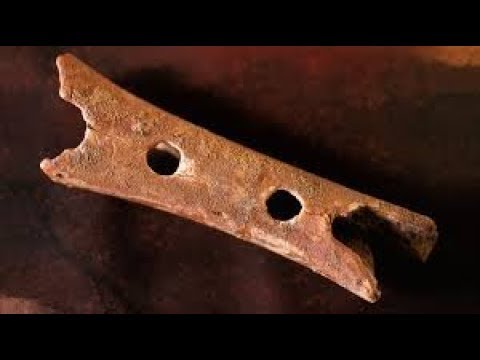
The Neanderthal relics found within the cave were not merely tools or bones. They included evidence of intricate structures and deliberate formations, indicating advanced cognitive abilities. For instance, the presence of specific arrangements suggested ritualistic or symbolic practices. This contradicted the previous view of Neanderthals as primitive beings. Instead, it painted a picture of a species capable of complex thought and abstract reasoning.
Furthermore, the context of the discovery — deep within a cave and seemingly undisturbed for millennia — provided invaluable insights. It allowed archaeologists to study a pristine environment, offering direct evidence of Neanderthal activities. This level of preservation is exceedingly rare, making the site exceptionally important for scientific study. The findings continue to inspire new research questions.
Redefining Early Human Capabilities
The artifacts and structures within the cave demonstrated that Neanderthals possessed skills previously attributed solely to Homo sapiens. This included the ability to navigate dark, complex cave systems and construct sophisticated formations. Such actions require planning, cooperation, and a deep understanding of their environment. As a result, the discovery fundamentally altered the narrative of human development. It highlighted the rich and complex cultural landscape of our ancient relatives.
Key Highlights
- Boy's Persistence: Bruno Kowalczewski's three-year effort led to the discovery of a hidden cave.
- Ancient Age: Relics found were dated to an astonishing 176,500 years old.
- Challenging Assumptions: The findings significantly altered perceptions of Neanderthal intelligence and culture.
- Complex Behavior: Evidence suggested advanced cognitive abilities and symbolic practices among Neanderthals.
- Archaeological Significance: The well-preserved site offered a rare, direct look into ancient human life.
- Redefining History: This discovery contributed to a more nuanced understanding of human evolution.
What Fans Are Saying
The story of the boy who found these incredible relics continues to captivate audiences worldwide. Many express awe at the sheer determination of a teenager leading to such a monumental archaeological breakthrough. There is widespread fascination with how much we are still learning about our ancient ancestors. People often discuss how such discoveries force a re-evaluation of what we thought we knew about early human intelligence and capabilities. The narrative resonates deeply, reminding us of the wonders hidden beneath our feet.
“It’s amazing how a simple curiosity can unravel such profound historical truths. Truly inspiring!”
Conclusion
The 1990 discovery of ancient Neanderthal relics by Bruno Kowalczewski stands as a testament to the power of curiosity and perseverance. This extraordinary find in a French cave not only rewrote sections of human history but also continues to inspire scientific inquiry. It fundamentally changed our understanding of Neanderthal capabilities, revealing them to be far more complex than previously imagined. Watch the full clip to delve deeper into this incredible archaeological journey and witness the impact of these pivotal discoveries.
Frequently Asked Questions
What was found in the cave discovered by Bruno Kowalczewski?
The cave contained 176,500-year-old Neanderthal relics, including evidence of complex structures and animal bones, which indicated advanced cognitive abilities.
How did the Neanderthal relics change our view of early humans?
The discovery challenged the perception of Neanderthals as primitive, revealing their capacity for complex thought, planning, and potentially symbolic behavior, thereby reshaping our understanding of human evolution.

Recommended for you
Because you're watching
 Suggested3:16
An Archaeologist Was Exploring A Cave In Europe When He Found An Incredible 43,000 Year Old Relic
watchJojo
1.9K views • 8 years ago
 6:56
6:56Un adolescente halló en una cueva reliquias de 176.500 años que cambiaron cómo vemos al Neandertal
Watchjojo Español
223 views • 7 years ago
 6:00
6:00In 1819 a Man Hunting a Tiger Stumbled Upon a Strange Cave What He Found Inside Was Mindblowing
watchJojo
747.8K views • 8 years ago
 7:16
7:16Scientists Found These Massive Tunnels – Then Realized They Were Dug By Giant Prehistoric Beasts
watchJojo
202K views • 8 years ago
 6:35
6:3576 Million Year Old Skeleton Has Been Found In Utah, And It s A Truly Unprecedented Discover
watchJojo
146.5K views • 8 years ago
 8:41
8:41They Just Discovered These Canisters In The Wilderness And They re Filled
watchJojo
63.4K views • 9 years ago
BROWSE BY YEAR
New, classic, and most loved
More like this
 4:25
4:25Creepy ‘Wonder of The Middle Ages’ Is Rediscovered When A Donkey Falls Through A Hole
watchJojo
7.7K views • 9 years ago
 11:34
11:34Archaeological Discoveries That Will Blow Your Mind
watchJojo
1.8M views • 8 years ago
 4:27
4:27Weird Things That Our Ancestors Used To Do All The Time
watchJojo
6.2K views • 9 years ago
 6:29
6:29The 300,000 Year Old Bones Found In This Mine Shake The Foundations Of Human History To The Core
watchJojo
74.4K views • 8 years ago
 3:57
3:5712 Year Old Canadian Boy Finds 69 Million Year Old Dinosaur
Jojo Discovery
132 views • 3 years ago
 3:37
3:3712 Year Old Canadian Boy Finds 69 Million Year Old Dinosaur Fossil While Hiking
watchJojo
909 views • 2 years ago
 2:56
2:56Horse Australia Astro Rescued After Three Hour
watchJojo
33.7K views • 9 years ago
 5:45
5:45Man Finds Aba ed NZ Relics In A Hidden Bunker In Germany
watchJojo
250.5K views • 9 years ago
 6:12
6:122,000 Year Old Human Skeleton Found Near Shipwreck Could Help Scientists Solve Ancient Mystery
watchJojo
13.4K views • 8 years ago