Sperm Whale Plastic Discovery Highlights Ocean Crisis Indexed
Original: Dead Sperm Whale Found With 13 Pounds Of Plastic In Its Belly
A shocking sperm whale plastic discovery reveals 13 pounds of debris in its stomach. This incident highlights urgent ocean pollution concerns. Discover more.

Watchjojo Animals
How did this video make you feel?
Sperm Whale Plastic Discovery Highlights Ocean Crisis
The tragic discovery of a sperm whale plastic incident has sent shockwaves globally, underscoring the devastating impact of ocean pollution. A deceased sperm whale was found with an astonishing 13 pounds of plastic in its stomach. This heartbreaking event serves as a stark reminder of our environmental responsibilities. Consequently, it has ignited urgent conversations about conservation efforts.
Sperm Whale Plastic: A Global Crisis Revealed
This particular sperm whale plastic finding occurred recently, drawing immediate attention from marine biologists and environmental activists. The whale, a majestic creature of the deep, suffered immensely from ingesting such a large quantity of non-biodegradable waste. In addition, the sheer volume of plastic found indicates a systemic problem. Experts are now scrutinizing the types of plastic discovered. This helps to trace the potential sources and understand the broader implications for marine ecosystems.
Furthermore, this incident is not isolated. Similar cases have been reported worldwide, highlighting a pervasive issue. Marine life, from tiny plankton to colossal whales, is increasingly encountering human-made debris. Ultimately, this leads to severe health consequences, including starvation, internal injuries, and entanglement. The cumulative effect on ocean biodiversity is profound.
Understanding the Impact on Marine Life
The Devastating Effects of Ingested Plastic on Whales
When a sperm whale ingests plastic, the consequences are dire. The plastic fills the whale's stomach, leading to a false sense of fullness. As a result, the whale stops seeking actual food, eventually starving to death. Moreover, sharp plastic pieces can cause internal lacerations and infections. Toxins from the plastic can also leach into the whale's system, further compromising its health. This tragic sperm whale plastic finding exemplifies these fatal outcomes.
Scientists often perform necropsies on deceased marine animals to understand their cause of death. These examinations frequently reveal alarming amounts of plastic. Consequently, these findings provide crucial data for conservationists. They help in advocating for stronger regulations against plastic pollution. Discover more about marine animal conservation efforts.
Broader Implications for Ocean Ecosystems
The presence of plastic in the ocean affects more than just individual animals. It disrupts entire ecosystems. Microplastics, for example, are ingested by smaller organisms, moving up the food chain. This means even humans could be consuming plastic through seafood. The widespread nature of plastic pollution therefore poses a significant threat to global food security and human health. Urgent action is needed to mitigate these effects. Learn about other environmental challenges facing our planet.
Key Highlights
- Tragic Discovery: A deceased sperm whale was found with 13 pounds of plastic in its digestive system.
- Cause of Death: The plastic likely led to starvation and internal damage, contributing to the whale's death.
- Global Issue: This incident is part of a growing number of cases worldwide, emphasizing widespread ocean pollution.
- Ecosystem Impact: Plastic pollution affects all levels of marine life, from microscopic organisms to apex predators like whales.
- Call to Action: The finding underscores the urgent need for reduced plastic consumption and improved waste management.
- Conservation Efforts: It highlights the critical work of marine biologists and environmental groups in addressing this crisis.
What Fans Are Saying
The news of the sperm whale plastic discovery has evoked a strong emotional response from the public. Many express profound sadness and anger over the state of our oceans. There's a clear call for greater individual and governmental responsibility. People are discussing ways to reduce their own plastic footprint and support environmental initiatives. Furthermore, the incident serves as a powerful reminder of the interconnectedness of all life on Earth. Many are sharing the story to raise awareness among friends and family, hoping to inspire change.
Conclusion
The discovery of 13 pounds of plastic in a deceased sperm whale's belly is a stark and heartbreaking testament to the global plastic pollution crisis. This sperm whale plastic incident compels us to confront the severe consequences of our waste on marine life and ecosystems. It is critical that we collectively commit to reducing plastic use, improving recycling, and supporting robust conservation efforts. Watch the full clip to understand the gravity of the situation and consider how you can contribute to a healthier ocean. For more trending viral videos on environmental issues, visit our channel.
Frequently Asked Questions
How does plastic pollution affect sperm whales?
Plastic pollution profoundly affects sperm whales by causing starvation, internal injuries, and exposure to toxins. Ingested plastic fills their stomachs, preventing them from eating real food.
What can individuals do to help reduce ocean plastic?
Individuals can help reduce ocean plastic by minimizing single-use plastics, choosing reusable alternatives, participating in beach cleanups, and supporting policies that promote sustainable waste management. Additionally, educating others about the issue is crucial.

Recommended for you
Because you're watching
 Suggested7:54
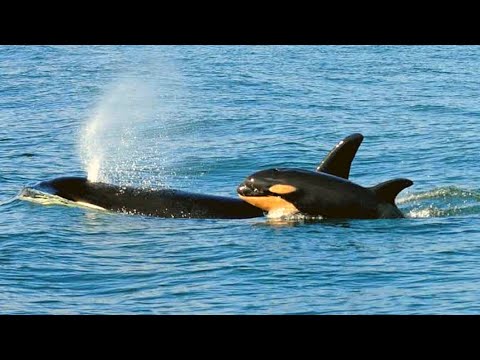
In 2018 An Orca Grieved For Its Dead Baby By Refusing To Relinquish Its Body
Watchjojo Animals
3.2K views • 7 years ago
 6:48
6:48This Guy On A Jet Ski Spotted Creatures Under The Waves, And The Footage He Captured Was Mindblowing
Watchjojo Animals
55.1K views • 7 years ago
 6:14
6:14When A Logger Saw A Cage Dumped At The Roadside, He Opened It To Find A Starving Creature Inside
Watchjojo Animals
13.9K views • 7 years ago
 6:43
6:43When Rescuers Found These 14 Tubs Outside Their Shelter, They Were Stunned By What Lay Inside
Watchjojo Animals
94.5K views • 7 years ago
 1:55
1:55Baby whale comes up close to boat asking to be petted
Watchjojo Animals
1.9K views • 6 years ago
 5:51
5:51In 2018 A Couple Came Across A Huge Pulsating Jellyfish On A New Zealand Beach
Watchjojo Animals
3.7K views • 7 years ago
BROWSE BY YEAR
New, classic, and most loved
More like this
 6:56
6:56A Man Was Trying To Move His Aquarium, When He Saw A Frightening Giant Creature Crawling Inside
Watchjojo Animals
560.9K views • 7 years ago
 8:16
8:16Woman Spots Trash Bag On Side Of Road, Then Her Heart Drops When She Looks Inside
Watchjojo Animals
13.3K views • 7 years ago
 5:25
5:25When This Woman’s Phone Fell Into The Ocean, A Creature Rose Up Out Of The Depths
Watchjojo Animals
4K views • 7 years ago
 6:03
6:03This Mom-To-Be Was Told To Get Rid Of Her Dogs – But What She Did With Them Instead Was Sensational
Watchjojo Animals
6.6K views • 7 years ago
 5:24
5:24When Rescuers Found This Helpless Dog, She’d Been Stuck In Tar For So Long She Was Almost Solid
Watchjojo Animals
4.1K views • 7 years ago
 5:28
5:28This Fish Is So Massive, It Looks Like It Could Swallow These Divers Whole
Watchjojo Animals
5.5K views • 7 years ago
 7:39
7:39When This 10 Year Old Got A Bite From A Monster Fish, He Had No Idea It Would Break A Record
watchJojo
16K views • 8 years ago
 7:00
7:00When A Baby Elephant Fell Down An Open Drain, Rescuers Rushed To Help Him
Watchjojo Animals
2.5K views • 7 years ago
 5:49
5:49When Rescuers Found This Abandoned Dog, They Were Horrified By His Appalling Condition
Watchjojo Animals
5.2K views • 7 years ago