Ancient Arrows Discovered in Norway Glacier — Scientists Stunned Indexed
Original: Ancient Arrows Dating Back 6,000 Years Found in Ice in Norway
Sixty-eight ancient arrow shafts, some with arrowheads, were discovered in a melting Norway glacier. See what was found.

Jojo Discovery
How did this video make you feel?
Ancient Arrows Discovered in Norway Glacier — Scientists Stunned
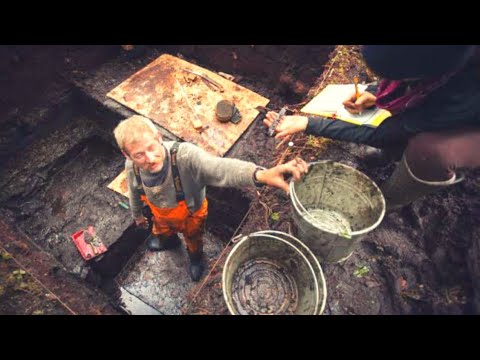
A remarkable discovery of ancient arrows dating back an astonishing 6,000 years has captivated the archaeological world. These incredible artifacts, preserved in the frozen landscape of Norway, offer a unique glimpse into prehistoric hunting practices. The find highlights the immense value of ice archaeology in uncovering long-lost history. This moment truly underscores the power of nature to preserve the past.
Unearthing Ancient Arrows in Norway's Ice
The Langfonne ice patch, nestled within Norway's Jotunheimen Mountains, has become a hotbed for ice archaeology since 2014. This region, known for its pristine and harsh conditions, acts as a natural time capsule. Consequently, it continuously yields significant historical treasures. The recent findings are particularly exciting for researchers. They shed new light on early human activity in the area.
Archaeologists have meticulously worked at this site for years. Their efforts have now resulted in an astounding count of sixty-eight ancient arrow shafts. Many of these shafts are remarkably intact. Moreover, some even have their original arrowheads still attached. Others were found lying close by. This proximity suggests they were part of complete arrows. The preservation quality is simply extraordinary.
Decoding the Langfonne Discoveries
The significance of these finds extends beyond their age. They provide invaluable data about the technology and lifestyle of ancient peoples. Analyzing these tools helps us understand their survival strategies. Furthermore, it offers insights into the environmental conditions they faced. This discovery truly enriches our understanding of human history.
The Craftsmanship of Ancient Arrows
The detailed examination of these ancient arrows reveals sophisticated craftsmanship. The shafts themselves are often made from wood. This wood has been incredibly preserved by the ice. Researchers can study the type of wood used. They can also analyze how it was shaped. Additionally, the arrowheads provide clues about material sourcing. Some are stone, while others might be bone or antler. This diversity points to adaptive hunting techniques. The precision involved suggests skilled artisans. Their methods were clearly effective for hunting thousands of years ago.
Implications for Prehistoric Hunting
The sheer number and excellent condition of the ancient arrows suggest a thriving hunting culture. These tools were essential for survival in a challenging environment. The location of the finds, high in the mountains, indicates that hunters pursued game in these elevated areas. Perhaps they targeted reindeer or other large mammals. This offers a window into their migratory patterns and resource utilization. Ultimately, the discovery helps reconstruct a vivid picture of daily life. It shows how ancient communities interacted with their environment. The findings underscore the resourcefulness of early humans.
Key Highlights
- Remarkable Preservation: Sixty-eight ancient arrow shafts, many with arrowheads, found exceptionally preserved in ice.
- Dating Back 6,000 Years: These artifacts offer a direct link to prehistoric human activity.
- Langfonne Ice Patch: A critical archaeological site in Norway's Jotunheimen Mountains.
- Insights into Craftsmanship: Detailed analysis reveals sophisticated ancient arrow construction and materials.
- Understanding Prehistoric Life: Provides crucial evidence for hunting practices and survival strategies of early humans.
- Ongoing Discoveries: The site continues to yield valuable archaeological finds, enriching our historical knowledge.
What Fans Are Saying
The archaeological community and history enthusiasts alike are buzzing with excitement over this discovery. Many express awe at the incredible preservation and the age of the artifacts. There's widespread appreciation for the meticulous work of the archaeologists. People are eager to learn more about the lives of those who crafted and used these tools. The finds spark a renewed interest in ancient human history and the secrets held by melting ice. The global reaction underscores the universal fascination with our origins.
Conclusion
The discovery of these ancient arrows in Norway's ice patch represents a monumental achievement in archaeology. It provides an unparalleled look into the lives and technologies of people who lived millennia ago. These finds remind us of the rich history hidden beneath our feet, waiting to be uncovered. We encourage you to delve deeper into the fascinating world of ice archaeology and appreciate these extraordinary ancient artifacts. Explore the incredible stories these ancient tools tell.
Frequently Asked Questions
How do archaeologists date ancient arrows found in ice?
Archaeologists typically use radiocarbon dating on organic materials like wood or animal sinew from the arrows. They also analyze the geological layers of the ice where the artifacts are discovered.
What does the Langfonne ice patch reveal about ancient human activity in Norway?
The Langfonne ice patch provides evidence of extensive hunting and travel in high-altitude areas thousands of years ago. It shows that ancient people adapted to and utilized challenging mountain environments for survival.
Explore related topics

Recommended for you
Because you're watching

 Suggested4:43
6,000-Year-Old Arrows Unearthed from Norwegian Ice
watchJojo
6.6K views • 5 years ago
 2:57
2:571,200 Year Old Viking Sword Discovered On Norwegian Mountain
Jojo Discovery
11.6K views • 5 years ago
 4:11
4:11Ancient Amazon Cliff Art Shows Humans Meeting Giant Ice Age Creatures
Jojo Discovery
1.3K views • 5 years ago
 11:34
11:34Archaeological Discoveries That Will Blow Your Mind
watchJojo
1.8M views • 8 years ago
 7:30
7:30Archaeologists In Canada Unearthed An Ice Age Settlement That May Rewrite North American History
watchJojo
628.5K views • 8 years ago
 3:44
3:44Remains of Medieval Soldier Found With Sword & Knives in Lake
Jojo Discovery
15.3K views • 5 years ago
BROWSE BY YEAR
New, classic, and most loved
More like this
 3:03
3:03Ancient Goddess Sculpture Discovered In Aegean Sea
Jojo Discovery
218 views • 5 years ago
 3:19
3:19A Danish Couple Out 🔴 Using Their Metal Detectors Discovered An Immaculate 3,000-Year-Old Weapon
watchJojo
3.1K views • 8 years ago
 4:49
4:49These 8,000 Year Old Human Remains Found In Portugal Are The Oldest Mummies Ever Discovered
Jojo Discovery
1.2K views • 4 years ago
 6:29
6:29Archaeologists Working At A Roman Fort Wall Have Discovered A Cache Of Astounding Artifacts
watchJojo
38.9K views • 8 years ago
 5:10
5:10Ancient Archaeological Sites…In America Dazzling Ruins Not Sole Domain Of Greece & Rom
Jojo Discovery
175 views • 5 years ago
 5:02
5:02Bronze Age Slab Unearthed In France Is The Oldest 3D Map In Europe
Jojo Discovery
565 views • 5 years ago
 3:16
3:16An Archaeologist Was Exploring A Cave In Europe When He Found An Incredible 43,000 Year Old Relic
watchJojo
1.9K views • 8 years ago
 3:05
3:05384 Year Old Shopping List Discovered Under Floorboards In Historic English Home
Jojo Discovery
475 views • 5 years ago
 2:31
2:31Preserved Medieval Sword Pulled Out Of Polish Bog
Jojo Discovery
289 views • 5 years ago