Prevent Painful Leg Cramps: Get Better Sleep Indexed
Original: Here’s An Effective Way To Prevent Painful Leg Cramps For A Good Night’s Rest
Discover effective strategies to prevent painful leg cramps and improve your sleep quality. Learn how to stop nighttime leg cramps. Watch now!

watchJojo
How did this video make you feel?
Prevent Painful Leg Cramps: Get Better Sleep
Experiencing painful leg cramps can disrupt even the most peaceful night's rest. These sudden, involuntary muscle contractions often strike unexpectedly. They can cause significant discomfort and interfere with sleep patterns.
Understanding Painful Leg Cramps at Night
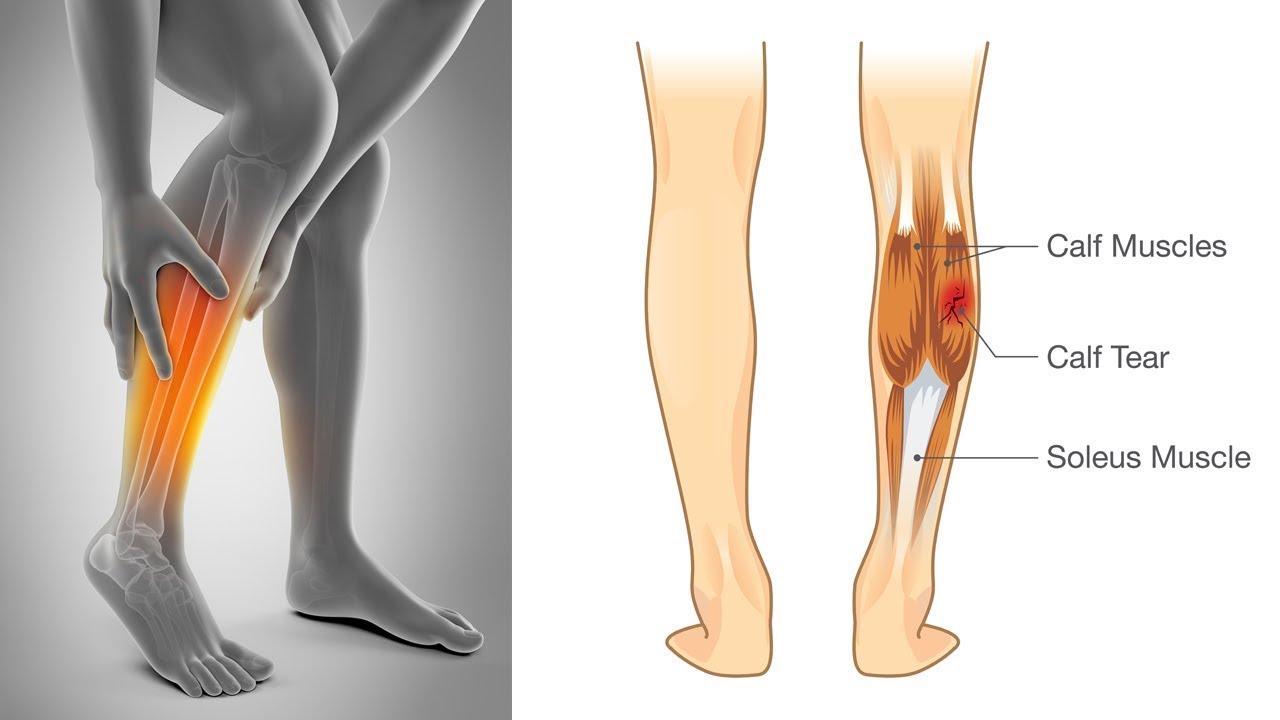
Nocturnal leg cramps are a common issue for many individuals. They can affect people of all ages. However, their frequency tends to increase significantly with age. These cramps often occur in the calf muscles. They can also impact the thighs or feet.
The pain can range from mild to excruciating. It usually lasts from a few seconds to several minutes. The residual soreness might linger for hours. This widespread problem affects a large portion of the population over 50. Many report being awakened by these disruptive episodes.
Strategies for Better Sleep and Relief
Addressing the root causes of leg cramps is key. Implementing simple yet effective strategies can make a big difference. These methods focus on prevention and immediate relief. Consequently, they help ensure a more restful night.
Preventing Painful Leg Cramps Effectively
Several proactive steps can minimize the occurrence of painful leg cramps. Regular stretching is highly recommended. Focus on calf and hamstring stretches before bedtime. Staying well-hydrated throughout the day is also crucial. Dehydration can contribute to muscle cramps. Furthermore, ensure your diet includes adequate electrolytes. Magnesium and potassium are particularly important. Consider a warm bath before sleep. This can relax muscles and improve circulation.
Immediate Relief for Nighttime Leg Cramps
When a leg cramp strikes, prompt action can alleviate the pain. Gently stretching the affected muscle is often the most effective first step. For a calf cramp, try pulling your toes towards your shin. Massaging the cramped muscle can also provide relief. Applying heat or cold packs might help some individuals. Heat can relax the muscle. Cold can numb the pain. Walking around for a few minutes can sometimes help the muscle relax.
Key Highlights
- Hydration: Drink plenty of water throughout the day to prevent dehydration-induced cramps.
- Stretching: Incorporate pre-sleep stretches, especially for calf and hamstring muscles.
- Electrolytes: Ensure adequate intake of magnesium and potassium through diet or supplements.
- Warm Baths: Relax muscles and improve blood flow with a warm bath before bedtime.
- Gentle Stretching: Immediately stretch the affected muscle during a cramp for relief.
- Massage: Gently massage the cramped area to help alleviate discomfort and promote relaxation.
What Fans Are Saying
Many individuals share their experiences online. They often discuss the struggle of dealing with nocturnal leg cramps. The consensus highlights the significant impact on sleep quality. People constantly seek practical solutions. They appreciate advice that offers genuine relief. There is a strong desire for simple, effective preventative measures. These discussions underscore the widespread need for better understanding and management of this common issue.
Conclusion
Painful leg cramps can severely impact your sleep and overall well-being. However, by adopting preventative measures and knowing how to respond when they occur, you can significantly reduce their frequency and intensity. Take control of your nighttime comfort. Explore these strategies to achieve a more restful sleep. Don't let leg cramps dictate your nights any longer.
Frequently Asked Questions
Can dehydration cause leg cramps at night?
Yes, dehydration is a common cause of leg cramps. Ensuring you drink enough water throughout the day can help prevent them.
What nutrients help prevent painful leg cramps?
Magnesium and potassium are key nutrients. Maintaining adequate levels of these electrolytes can help reduce the frequency of leg cramps.
Related: trending viral videos · more viral short clips · Watch JoJo's main channel.

Recommended for you
Because you're watching
 2:25
2:256 Methods To Treat & Prevent Annoying Leg Cramps
WatchJojo Health
1.1K views • 7 years ago
 2:57
2:57From Planning to Opening: Everything You Need to Know About Starting a Group Home
WatchJojo Health
67 views • 2 years ago
 2:13
2:13The Ultimate Guide to Stairway Safety: How to Prevent Falls and Trips
WatchJojo Health
74 views • 3 years ago
 3:21
3:21How to Increase Urine Flow
WatchJojo Health
398 views • 3 years ago
 3:37
3:37How to Get Rid of Pimples Inside the Ear
WatchJojo Health
5.1K views • 3 years ago
 1:27
1:27How to Build Your Own Electronic Temperature Monitor
WatchJojo Health
36 views • 3 years ago
BROWSE BY YEAR
New, classic, and most loved
More like this
 4:07
4:07How to Drain Ear Fluid: Natural Techniques & When to See a Doctor
WatchJojo Health
8.2K views • 3 years ago
 7:58
7:58How Much Deep, Light, and REM Sleep Do You Need
WatchJojo Health
522 views • 4 years ago
 12:14
12:14Let It Out 14 Ways a Good Cry Affects Your Body and Mind
WatchJojo Health
111 views • 4 years ago
 8:38
8:38Finding the Best Type 2 Diabetes Treatment Factors to Consider
WatchJojo Health
70 views • 4 years ago
 14:28
14:2810 Reasons You’re Always Tired
WatchJojo Health
111 views • 4 years ago
 10:37
10:37Understanding the Remission and Relapse Cycle in Crohn’s Disease
WatchJojo Health
133 views • 4 years ago
 7:17
7:17Are Your Sex Dreams Trying to Tell You Something?
WatchJojo Health
367 views • 4 years ago
 7:56
7:5610 Healthy Uses of Baking Soda
WatchJojo Health
124 views • 4 years ago
 8:01
8:018 Supplements and Vitimins for Memory
WatchJojo Health
127 views • 5 years ago