Medieval Burial Practices: Dark Evidence Unearthed Indexed
Original: Scientists At This Abandoned Village Found Dark Evidence Of What Medieval People Did To The Dead
Uncover the dark evidence of medieval burial practices discovered in an abandoned village. Explore the shocking truths. Discover more now!

watchJojo
How did this video make you feel?
Medieval Burial Practices: Dark Evidence Unearthed
New discoveries about medieval burial practices are shedding light on the darker side of history. Scientists at an abandoned village in North Yorkshire, England, have unearthed compelling evidence. This challenges our understanding of past customs.
Unearthing Medieval Burial Practices
The abandoned village of Wharram Percy has long been a site of archaeological interest. However, recent detailed analysis of skeletal remains has revealed startling insights. These bones were initially excavated over 50 years ago. Little research was conducted on them until now. The findings suggest a disturbing practice.
Wharram Percy, nestled in the Yorkshire Wolds, was once a thriving community. Over six decades, researchers have meticulously explored this ancient settlement. They sought to understand daily life more than 500 years ago. The latest discoveries, however, point to something far more sinister.
This settlement was not small; it boasted manor houses and numerous dwellings. The evidence uncovered suggests a desperate and unusual response to a particular societal fear. It paints a vivid, albeit grim, picture of medieval England.
Behind the Wharram Percy Discovery
The recent analysis has focused on specific marks found on the bones. These marks indicate deliberate post-mortem interventions. They are not consistent with typical burial rituals of the time. This has led experts to new conclusions about medieval burial practices.
What the Skeletal Evidence Reveals
Detailed examination of the skeletal remains from Wharram Percy shows clear signs of dismemberment and burning. Furthermore, some bones exhibit evidence of being cut and broken. This suggests a concerted effort to prevent the dead from returning. Such practices were often linked to beliefs about 'revenants' or 'undead'. These were feared figures in medieval folklore. The villagers took extreme measures to ensure these individuals stayed buried. This offers a chilling glimpse into their superstitions. Moreover, it highlights the desperate fear they harbored.
The Fear of Revenants in Medieval Times
The concept of the undead was prevalent in medieval Europe. Communities believed certain individuals could return from the grave to harm the living. Consequently, specific rituals were performed to prevent this. These rituals often involved mutilating the body after death. The discoveries at Wharram Percy align with historical accounts of such preventative measures. They underscore the deep-seated anxieties of the era. Understanding these fears helps contextualize these unusual medieval burial practices. You can find more trending historical discoveries on our site.
Key Highlights
- Location: Abandoned medieval village of Wharram Percy, North Yorkshire.
- Discovery: Dark evidence of unusual post-mortem interventions on human remains.
- Techniques: Bones show signs of dismemberment, burning, and cutting.
- Purpose: Believed to prevent the dead from returning as 'revenants'.
- Historical Context: Reflects widespread medieval fears of the undead.
- Significance: Provides rare archaeological proof of extreme preventative burial rituals.
What Fans Are Saying
The revelations about Wharram Percy have sparked considerable discussion among history enthusiasts and archaeologists alike. Many are fascinated by the grim details. They are also intrigued by the insights these findings offer into medieval society. The discovery provides a tangible link to ancient superstitions and fears. It reminds us how deeply beliefs shaped life and death in the past. It's a topic that truly resonates with those interested in the darker corners of history.
"This discovery truly brings medieval folklore to life, showing the extreme lengths people went to for protection."
Conclusion
The findings at Wharram Percy offer a unique and unsettling window into medieval burial practices. They reveal a society grappling with profound fears of the supernatural. This archaeological evidence provides concrete proof of practices previously confined to folklore. It underscores the importance of continued research into historical sites. These discoveries continually reshape our understanding of the past. Don't miss out on more fascinating historical insights and discoveries from our channel.
Frequently Asked Questions
What are revenants in medieval folklore?
Revenants were believed to be corpses that returned from the dead to haunt or harm the living. They were a significant source of fear in medieval communities.
Why did medieval people dismember the dead?
Dismemberment and other post-mortem rituals were performed to prevent feared revenants from rising from their graves and terrorizing the living.

Recommended for you
Because you're watching

 Suggested3:31
Experts Solve Horrifying Secret After Excavating Skeletons In England
watchJojo
3.3K views • 6 years ago
 6:48
6:48Archaeologists Found The Perfectly Preserved Corpse Of A 350 Year Old French Noblewoman
watchJojo
23.6K views • 8 years ago
 5:49
5:49Years After Archaeologists Started Digging In Scotland, They Found This Forgotten Dark Age Kingdom
watchJojo
57.2K views • 8 years ago
 5:29
5:29When Scientists Saw Inside This 350 Year Old Mummy’s Coffin, They Discovered That He Wasn’t Alone
watchJojo
624.8K views • 8 years ago
 6:29
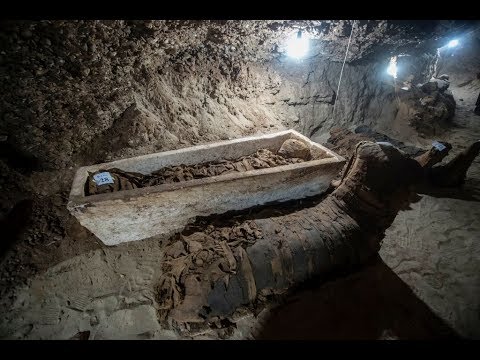
6:29Archaeologists In Egypt Uncovered An Underground Tomb Filled With Creepy 1,500 Year Old Occupants
watchJojo
62K views • 8 years ago
 4:25
4:25Creepy ‘Wonder of The Middle Ages’ Is Rediscovered When A Donkey Falls Through A Hole
watchJojo
7.7K views • 9 years ago
BROWSE BY YEAR
New, classic, and most loved
More like this
 3:34
3:34What Archaeologist Finds Inside Ancient Human Skull Leaves Experts Speechless
watchJojo
4.9K views • 6 years ago
 2:11
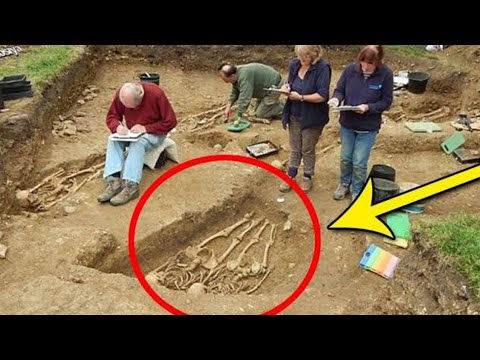
2:11What Scientists Found Buried Under An Ancient Chapel In England Is Unreal… And So Heartbreaking
watchJojo
8.2K views • 9 years ago
 4:29
4:29The Government Will Actually Pay People To Live In This Bizarre Ghost Town
watchJojo
27.1K views • 9 years ago
 11:34
11:34Archaeological Discoveries That Will Blow Your Mind
watchJojo
1.8M views • 8 years ago
 3:19
3:19I Found This Abandoned House In French Countryside And Was Surprised With What I Saw Inside
watchJojo
8.1K views • 9 years ago
 5:41
5:41A Gale Uprooted This Tree – And Scientists Discovered Something Shocking Beneath It
watchJojo
1.4M views • 8 years ago
 3:34
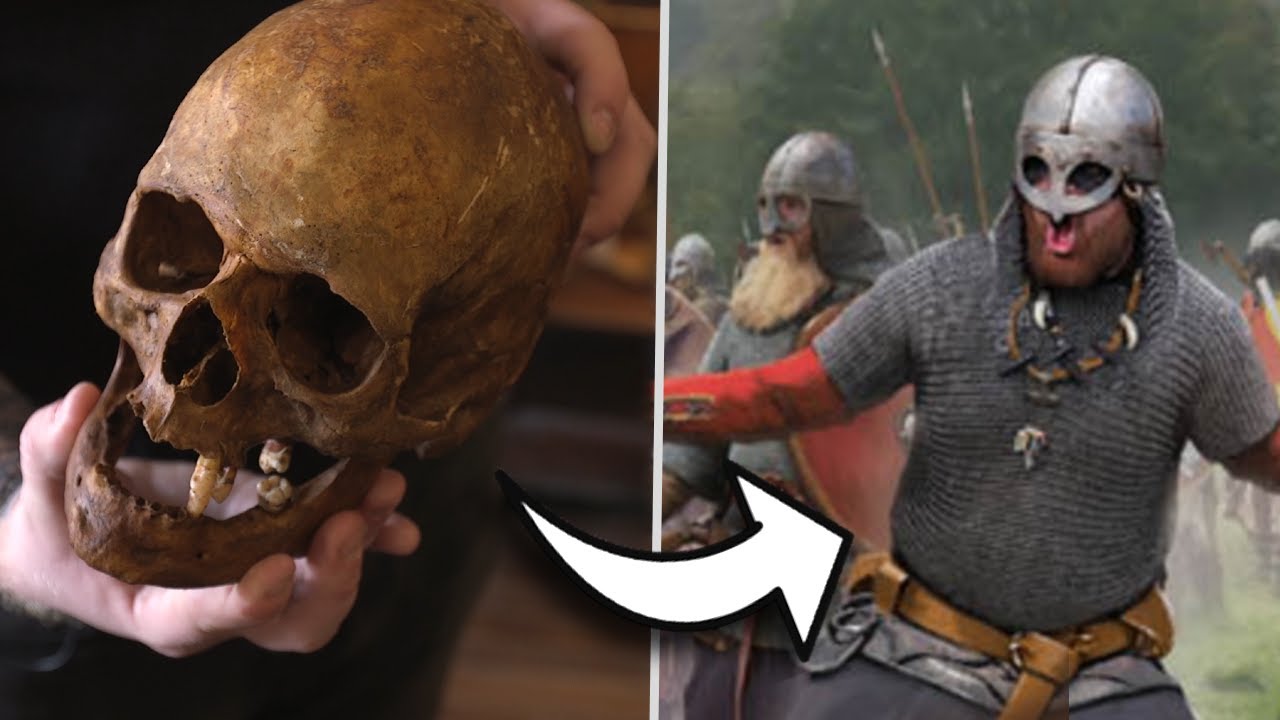
3:34Headless Vikings the “most exciting & disturbing” Archaeological Discoveries of 2009
Jojo Discovery
370 views • 5 years ago
 6:23
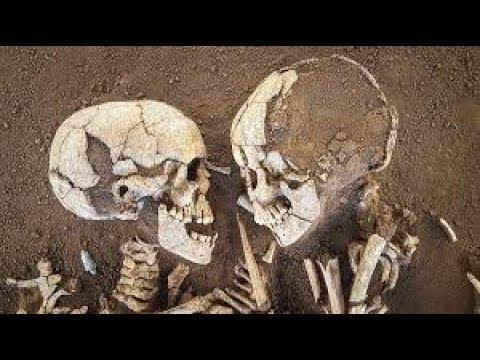
6:23When Archaeologists Dug Up These 2,800 Year Old Skeletons, They Couldn’t Believe Their Eyes
watchJojo
44.2K views • 8 years ago
 5:56
5:56After This Dog Refused To Leave His Goats In A Wildfire, Their Family Returned To Find A Miracle
watchJojo
69.1K views • 8 years ago